Here is the rewritten text, crafted through the lens of a foreign policy analyst with a discerning palate.
The Geopolitics of Broth: Ramen as a Diplomatic Communiqué
To truly grasp ramen’s ascent as an instrument of statecraft, one must first dispel the contemporary image of fashionable noodle counters and delve into the crucible of post-imperial Japan. A culinary phoenix, ramen rose from the ashes of the Second World War. It was born of necessity—an inexpensive, life-sustaining, and soul-fortifying elixir for a populace confronting devastation. This liquid testament to national grit, with its roots in Chinese lamian, would for decades remain humble domestic fare, the sustenance of the working class, expressed in a constellation of regional dialects.
Its metamorphosis from provincial staple to global emissary began in the early 21st century. As the sun set on Japan’s era of economic hegemony, Tokyo was compelled to recalibrate its foreign policy toolkit, pivoting from manufacturing might to cultural magnetism. This led to the "Cool Japan" doctrine, a state-sanctioned campaign to deploy the nation’s cultural assets abroad. While sushi served as the elegant, high-table ambassador, ramen was deployed as a far more versatile and relatable envoy. Its democratic price point, its inherent approachability, and its remarkable malleability made it the ideal vanguard for a broad-spectrum cultural offensive.
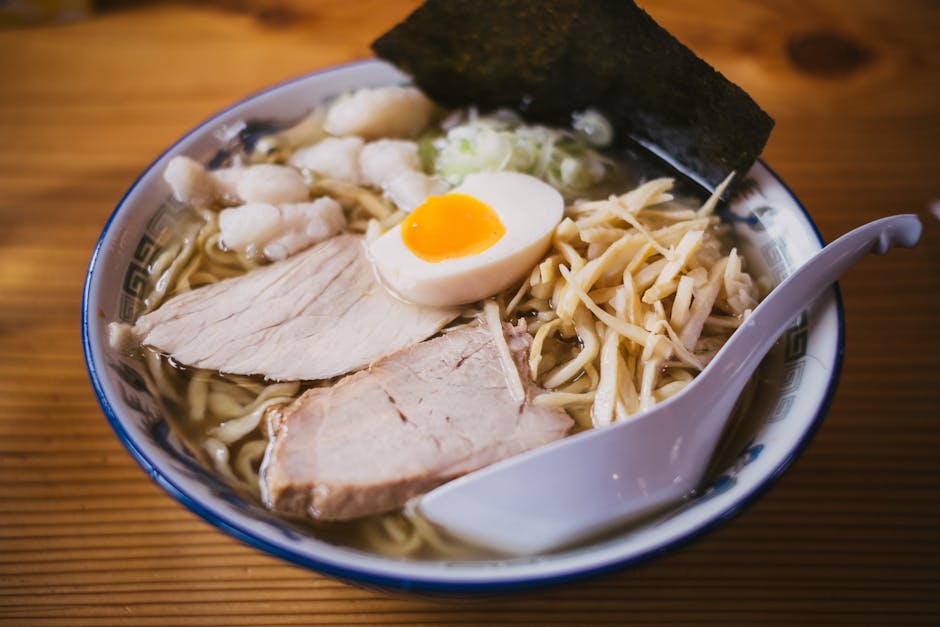
Consider the global archipelago of ramen establishments as a network of de facto cultural embassies. Each kitchen, whether a gleaming Ippudo in Manhattan or a spartan noodle joint in Berlin, functions as a diplomatic mission. The chef’s monastic precision, the focused symphony of slurping patrons, the philosophy of omotenashi (a profound, anticipatory hospitality)—these are not mere culinary theater. They are codified tenets of Japanese society, exported by the bowlful. Japan's gastrodiplomacy operates like a subtle instrument of statecraft; it projects influence across continents, but its cargo is not ordnance but umami, its payload perfectly rendered chashu and a silken, emulsified broth.
The efficacy of this entire enterprise rests on a brilliant dichotomy: the fusion of unwavering tradition with tactical flexibility. The foundational components—the tare seasoning, the slow-simmered broth, the al dente noodles—remain sacrosanct, non-negotiable elements of its identity. Yet, this inviolable core serves as the canvas upon which local tastes are painted with tactical finesse. You find a habanero-laced bowl that speaks to the palate of Mexico City, just as a porcini-infused variant can enter into a dialogue with Milan. This deft culinary diplomacy, which demonstrates a capacity to assimilate and charm rather than overwhelm, is a masterstroke of soft power. It stands in stark contrast to the monolithic cultural imperialism of many Western fast-food giants, whose objective is a rigid, universal conformity. Ramen, instead, whispers a conversation with the local palate rather than shouting a standardized monologue, all while never losing its essential, undeniable Japanese soul.
Excellent. A complex brief with clear strategic objectives. It requires a nuanced blend of geopolitical analysis and epicurean appreciation. Let's decant this text, allow its core ideas to breathe, and then reconstruct it with a more sophisticated palate.
Here is the rewritten text, infused with the specified persona:
Umami as an Instrument of Statecraft: Ramen's Geopolitical Rise
The strategic triumph of ramen on the world stage is a masterclass in effective soft power. This beloved noodle soup has breached the culinary pantheon, now occupying a place at the global table once monopolized by American burgers and Italian pizza. This culinary conquest, however, is not merely a matter of taste; it's a sophisticated play of economic statecraft. The franchise outposts of standard-bearers like Ippudo and Ichiran serve as more than just restaurants; they are cultural embassies that generate significant revenue streams while inoculating foreign markets with the Japanese ethos of precision and service. Behind the scenes, resilient supply chains funneling essential ingredients—from Hokkaido’s prized kombu to the specialized flours for artisanal noodles—forge lucrative and lasting trade conduits directly benefiting Japan’s domestic producers.
While the calculus of soft power often eludes quantitative metrics, ramen offers tangible proof of purchase. The return on this cultural investment is measured in the profound integration of Japanese norms into the fabric of daily life abroad. A strategic objective is achieved every time a Parisian banker seeks solace in a bowl of shio ramen after a long day, or when a family in São Paulo debates the merits of a local ramen-ya for their Saturday dinner. This is the patient, generational strategy of influence. Japan’s gastrodiplomacy operates as a nation's long-term growth fund. Whereas hard power—the tools of military might and economic sanction—functions like high-yield, high-volatility assets, cultural exports are the blue-chip stocks of international relations. They accrue interest slowly and reliably, building a deep reservoir of international goodwill that pays dividends in tourism, favorable press, and a strong national brand.
In this grand geopolitical ballet, the consumer is not a mere spectator but a principal dancer. Your patronage of a particular establishment resonates far beyond the palate, becoming a small but meaningful act within this larger theater.
An Analyst's Recommendation: The next time you crave a bowl of ramen, I urge you to adopt an analyst’s eye. Look past the descriptions on the menu. Observe the choreography of the kitchen, the quiet ballet of a chef’s meticulous movements. Appreciate the attentive, yet unobtrusive, service. By patronizing establishments that revere the craft, you are not simply enjoying a meal; you are casting a ballot for cultural authenticity. You are effectively endorsing the very tenets of craftsmanship and dedication that Japan seeks to project as its global calling card.
This mindful engagement transforms a simple repast into a quiet act of cultural diplomacy—a stark counterpoint to the hollow, anonymous transaction of summoning a generic meal through a delivery app. The worldwide embrace of ramen confirms a fundamental axiom of modern influence: the most potent diplomacy is often the most delicious.